Флюид-арт в Минске: жидкий акрил для начинающих
Если вы считаете, что рисование требует академического образования и ровных линий — Fluid Art может изменить ваше мнение. Здесь нет кистей и палитр. Вы работаете с потоком жидкого акрила, направляете цвет и наблюдаете, как рождается картина.
Результат всегда абстрактный и всегда интересный. Именно поэтому техника стала такой популярной — порог входа нулевой.
Что такое Флюид Арт?
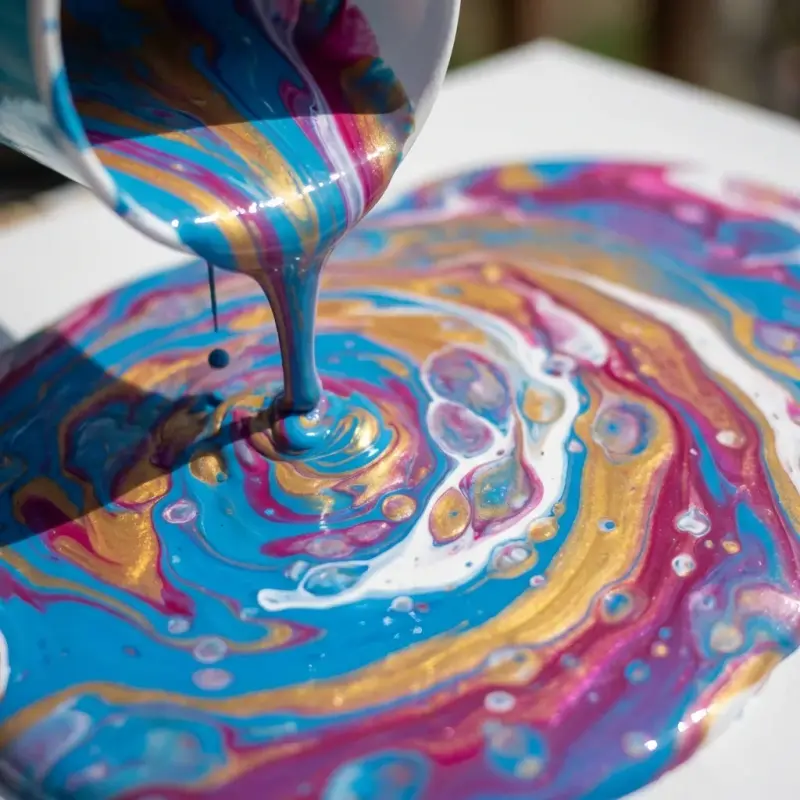
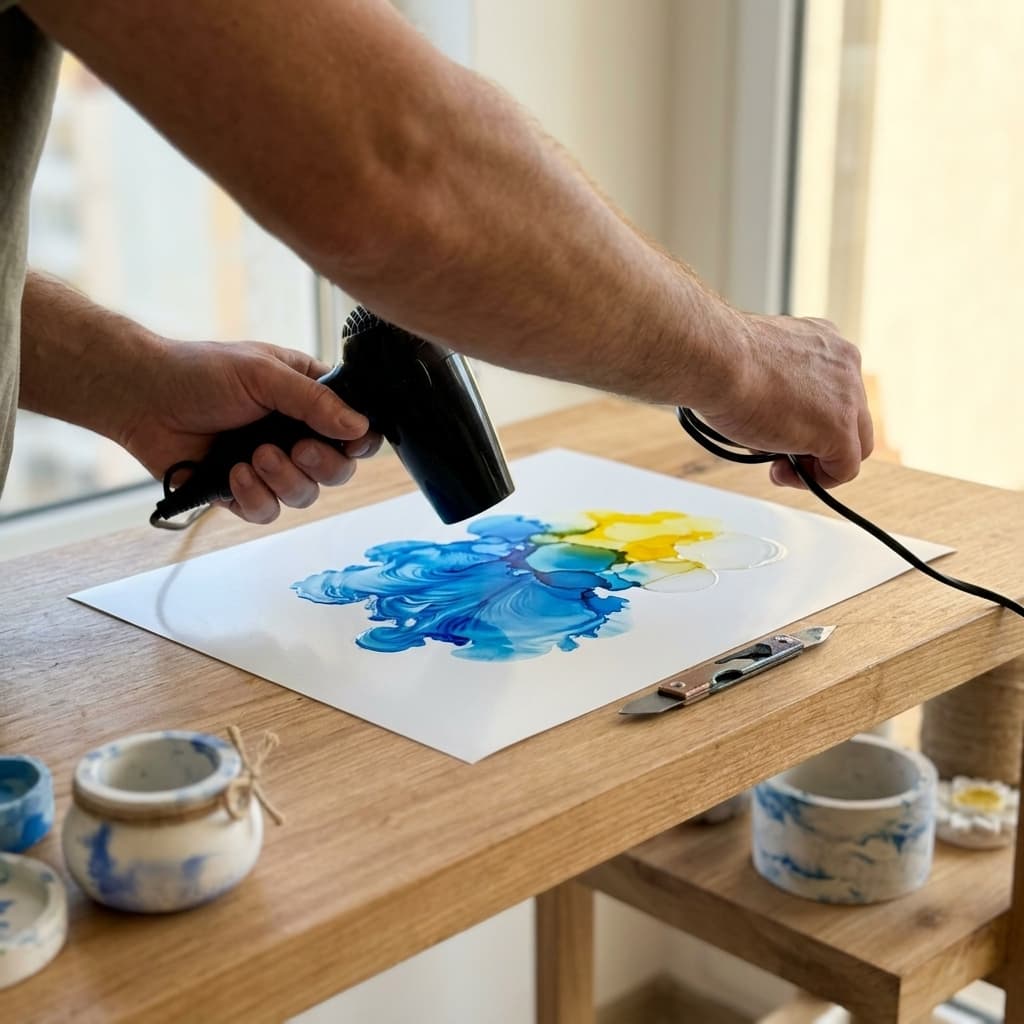
Дословно это переводится как «жидкое искусство». Акриловая краска разводится до состояния жидкого меда специальным медиумом. Затем разные цвета выливаются на холст, смешиваются, растекаются и создают невероятные абстрактные узоры, напоминающие снимки космоса или срезы камней.
Секрет «Ячеек» (Cells)
Вы наверняка видели эти завораживающие пузырьки на картинах. Думаете, их рисуют кисточкой? Нет! Это чистая физика.
В краску добавляется пара капель силиконового масла. Силикон легче краски, поэтому он стремится подняться на поверхность, разрывая слой пигмента. С помощью газовой горелки мы помогаем силикону выйти, и на наших глазах рождаются сотни красивейших ячеек.
Популярные техники заливки
- Dirty Pour (Грязная заливка): Самый популярный метод. Все цвета слоями заливаются в один стакан. Затем этот «коктейль» выливается на холст. Результат — взрыв цвета.
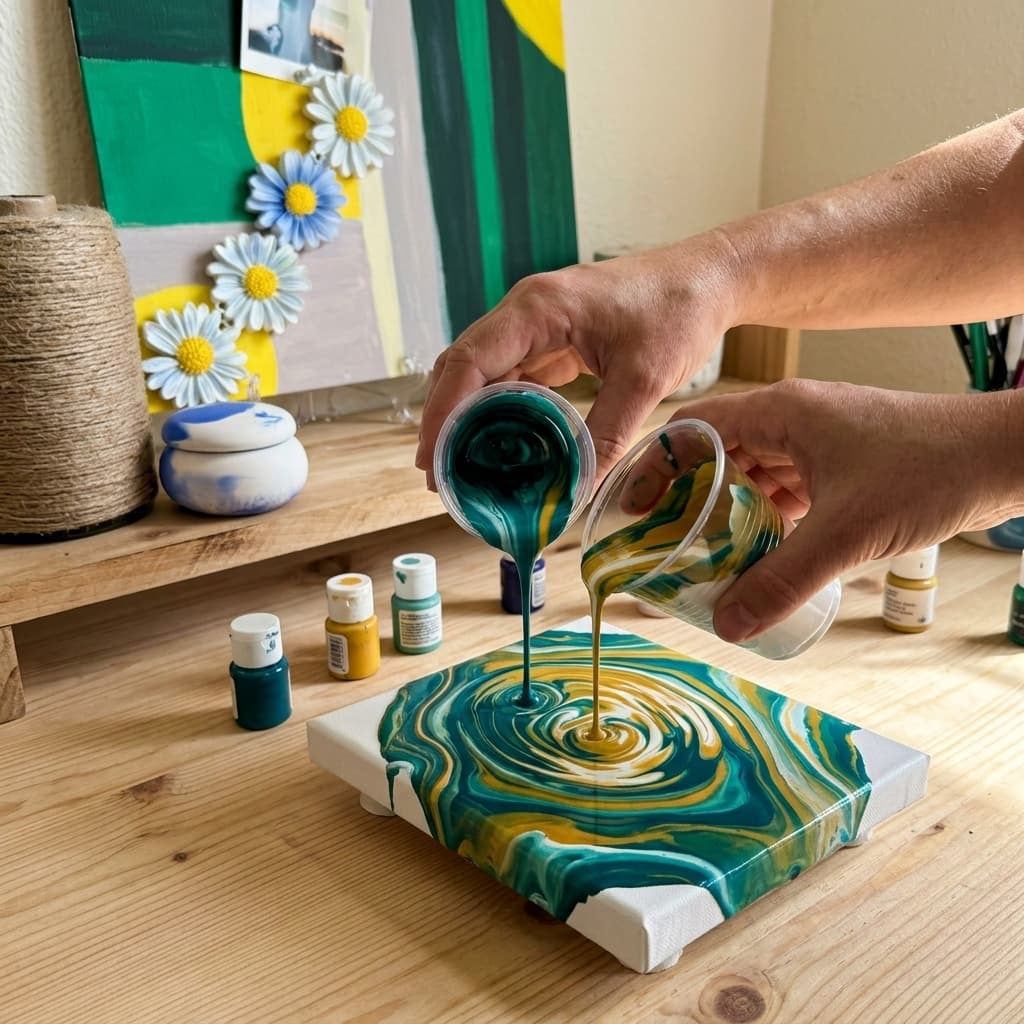
- Flip Cup (Перевернутый стакан): Стакан с красками переворачивается на холст, но не поднимается сразу. Мы ждем пару секунд, пока краска осядет, а потом резко поднимаем. Эффект «вау» гарантирован.
- Puddle Pour (Лужи): Вы наливаете краски отдельными лужицами друг на друга, а потом раздуваете их феном или наклоняете холст. Это позволяет больше контролировать композицию.
Почему стоит попробовать?
- 100 % успех: Испортить картину невозможно. Если вам не нравится узор, вы просто добавляете еще краски или наклоняете холст в другую сторону.
- Уникальность: Повторить один и тот же рисунок дважды нельзя, даже если очень захотеть. У вас будет эксклюзив.
- Медитация: Наблюдать за тем, как течет краска — это гипноз. Все мысли улетучиваются.
Что нужно для Флюид Арт?
Если вы хотите попробовать дома, вот минимальный набор:
- Акриловые краски (подойдут любые, по доступной цене)
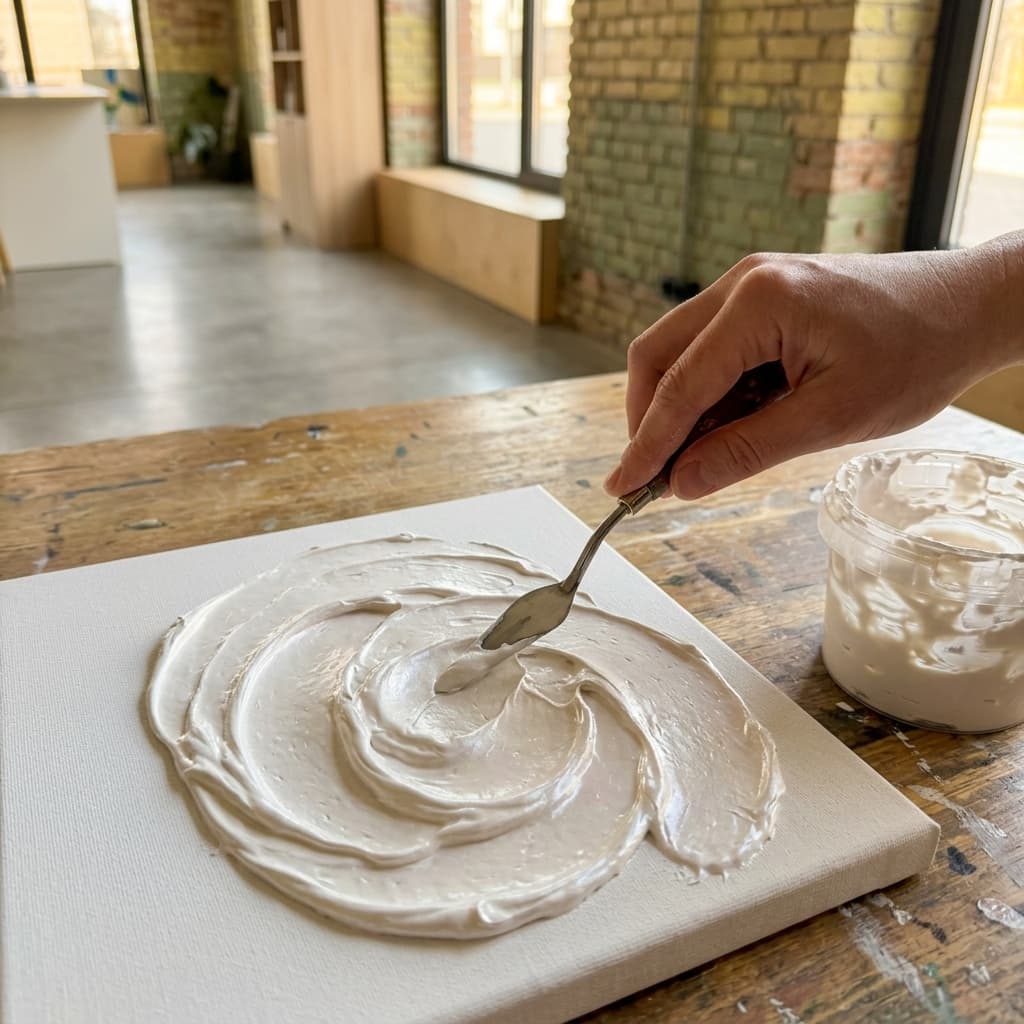
- Pouring Medium (медиум для заливки) — главный ингредиент
- Силиконовое масло — для создания ячеек
- Холст на подрамнике
- Пластиковые стаканчики и палочки для перемешивания
- Газовая горелка (кухонная подойдёт)
Но проще прийти на мастер-класс, где всё это уже есть, и мастер покажет правильные пропорции.
Уход за картиной Флюид Арт
Готовая картина из жидкого акрила довольно неприхотлива:
- Не вешайте под прямые солнечные лучи — акрил может выгорать
- Протирайте от пыли мягкой сухой тряпкой
- Лаковое покрытие (мы наносим его в студии) защищает картину от пыли и влаги на долгие годы
МАКА Арт — арт-студия в центре Минска, ул. Нововиленская, 61 (помещение 337). Как добраться — на странице контактов, выбрать дату — на странице бронирования.
Часто задаваемые вопросы
Можно ли прийти на Флюид Арт с детьми?
Флюид Арт — формат для гостей от 14 лет: в работе горелка и жидкий акрил. Для детей 5–10 лет есть детские мастер-классы по рисованию, а студия бронируется только под вашу компанию.
Как долго сохнет картина?
Полное высыхание — 2–3 дня. Работа остаётся сохнуть в студии, мы покрываем её защитным лаком и пишем, когда можно забрать.
Можно ли выбрать конкретные цвета?
Конечно! У нас широкая палитра акрила. Подберём оттенки под ваш интерьер — покажите фото комнаты, и мы предложим подходящую комбинацию.
Чем Флюид Арт отличается от обычного рисования?
В классической живописи вы контролируете каждый мазок. В Флюид Арт вы задаёте направление, но результат всегда содержит элемент случайности. Именно поэтому это идеальная арт-терапия — вы учитесь отпускать контроль.
Готовы к эксперименту? В МАКА Арт мы предоставляем огромную палитру цветов, все медиумы и, конечно, горелки. Записаться на Флюид Арт. Или подарите эксперимент близким — подарочный сертификат.
Выберите формат и дату — записаться онлайн или написать нам.
Прочие мастер-классы
Остались вопросы?
Свяжитесь с нами — поможем подобрать мастер-класс или организовать мероприятие