Plaster or epoxy resin: what to choose for décor
The handmade decor industry in Minsk is booming: minimalist trays, futuristic clocks, and botanical bas-reliefs have become an integral part of modern interiors. However, everyone who wants to try their hand at creativity faces a dilemma: eco-friendly and matte gypsum or glossy and high-tech epoxy resin? In this article, we'll break down the physical properties of the materials so you can make an informed choice.
1. Weight and density: Which is heavier?
One of the most popular queries—weight comparison.
- Gypsum: It is a mineral. Items made of high-strength sculptural gypsum have significant weight. This creates a feeling of an "expensive", monumental object. A gypsum candlestick is stable and solid.
- Epoxy resin: It is a polymer. The density of resin is lower, so items made from it are significantly lighter. If you need light, almost weightless elements (for example, hanging decor), resin wins.
2. Strength and durability: Which is harder to break?
Here lies the biggest difference in operation:
Impact Resistance
Resin turns into durable plastic after full polymerization. It is not afraid of falling from a height. Gypsum, despite its hardness, remains a fragile mineral—it can crack if dropped on a tile.
Wear Resistance
Resin is sensitive to scratches and high temperatures (a hot cup can leave a mark). Gypsum is heat resistant, does not yellow from UV, and acquires a noble look over time.
3. Ecological Aspect and Safety
In modern realities, this is a critical factor:
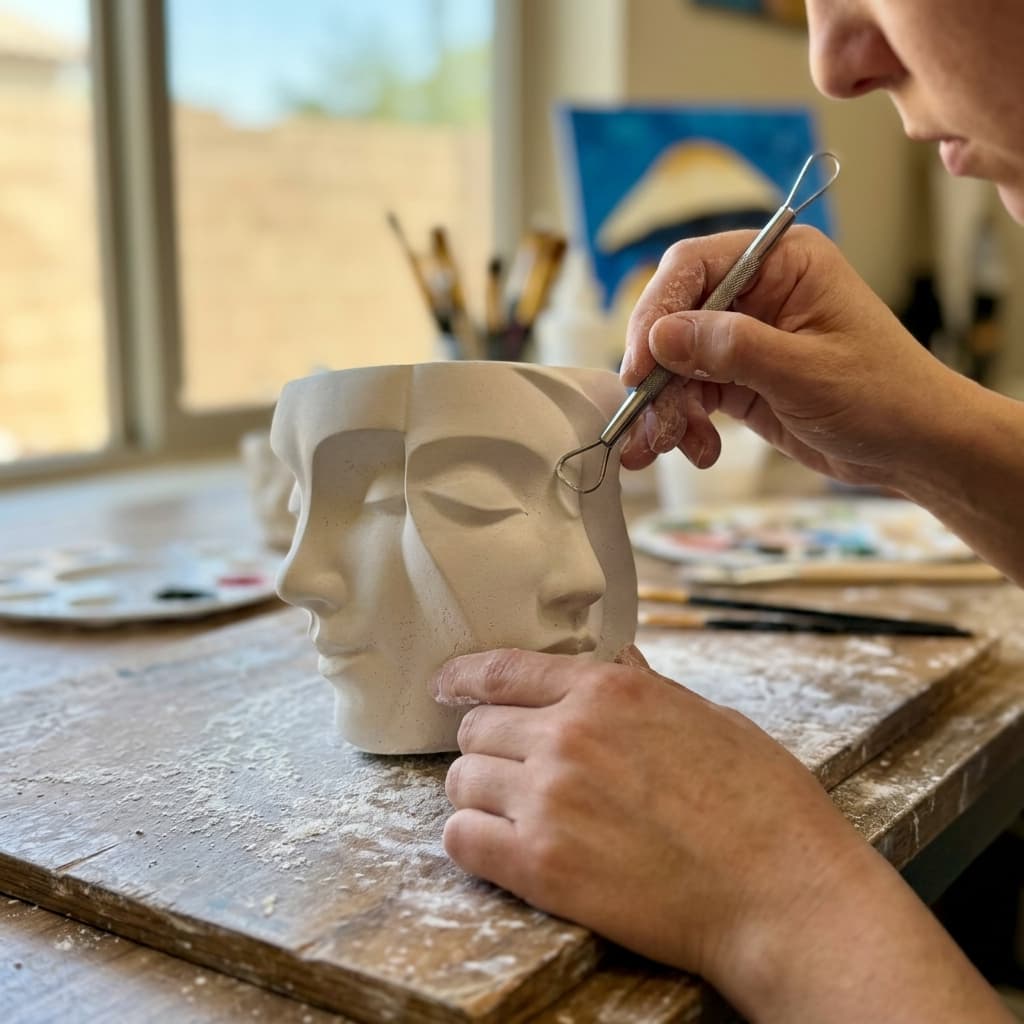
- Gypsum: 100% natural material. It "breathes", emits no substances when heated, and is safe for children. At the MAKA Art studio an apron and gloves are all you need to work with it — no respirators or extractor hoods.
- Epoxy Resin: Working with it requires strict adherence to safety precautions (respirators, gloves, ventilation), as the components are toxic in liquid form. This is important to consider if you plan to create at home.
4. Aesthetics and Tactility
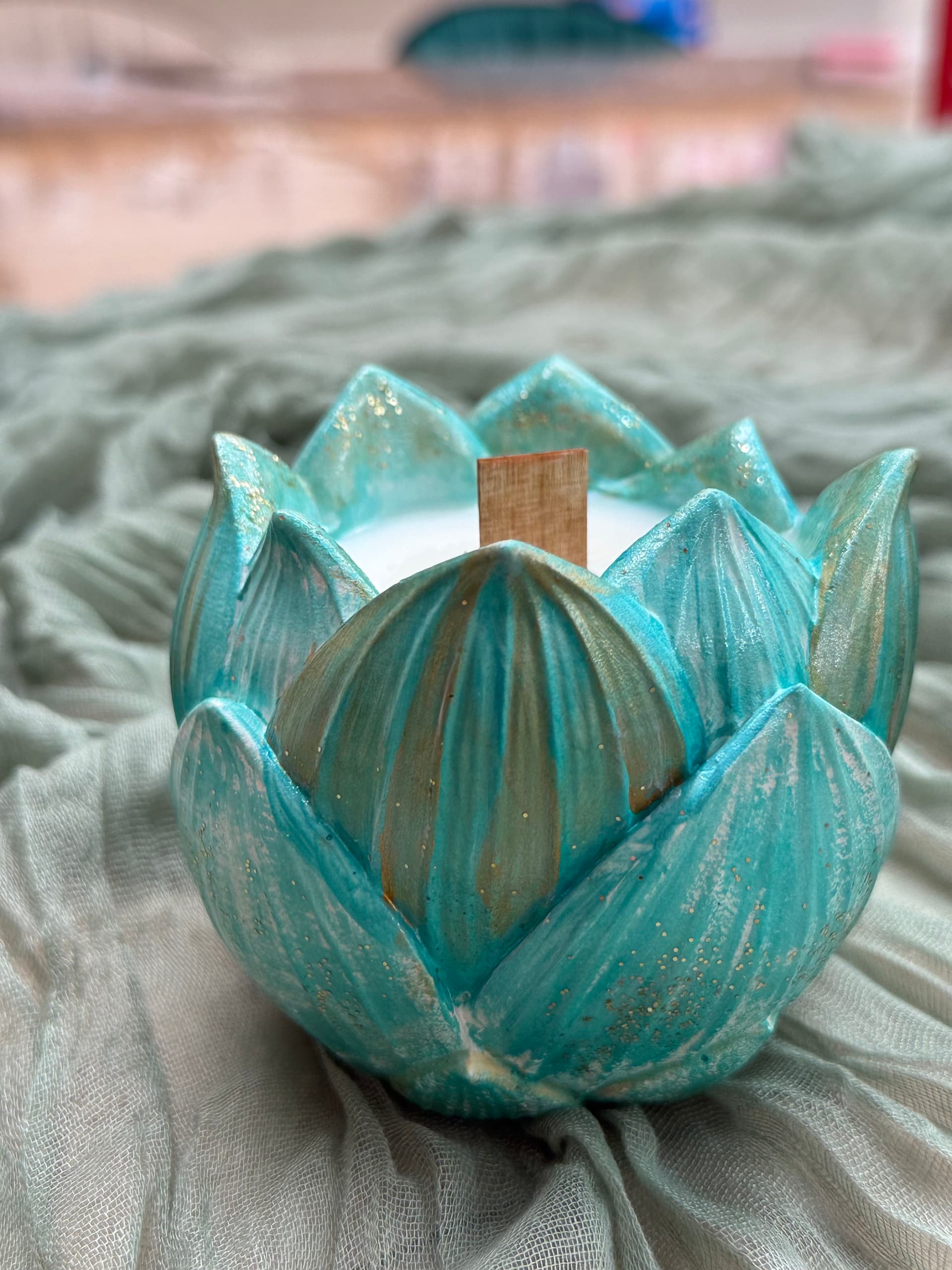
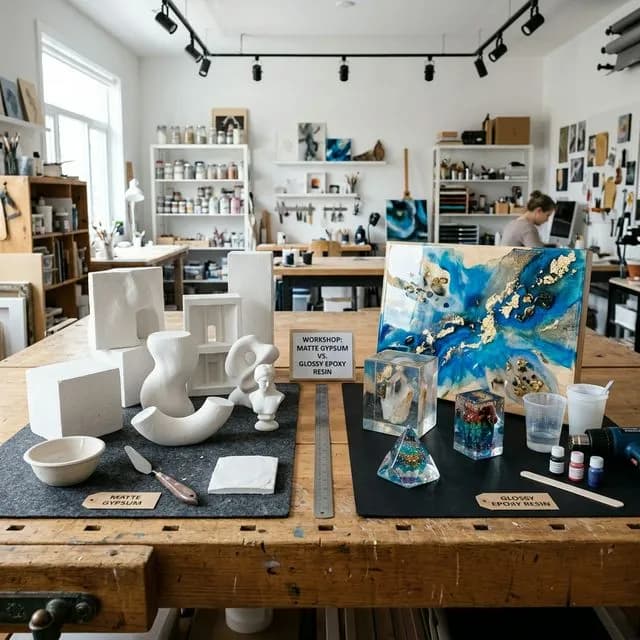
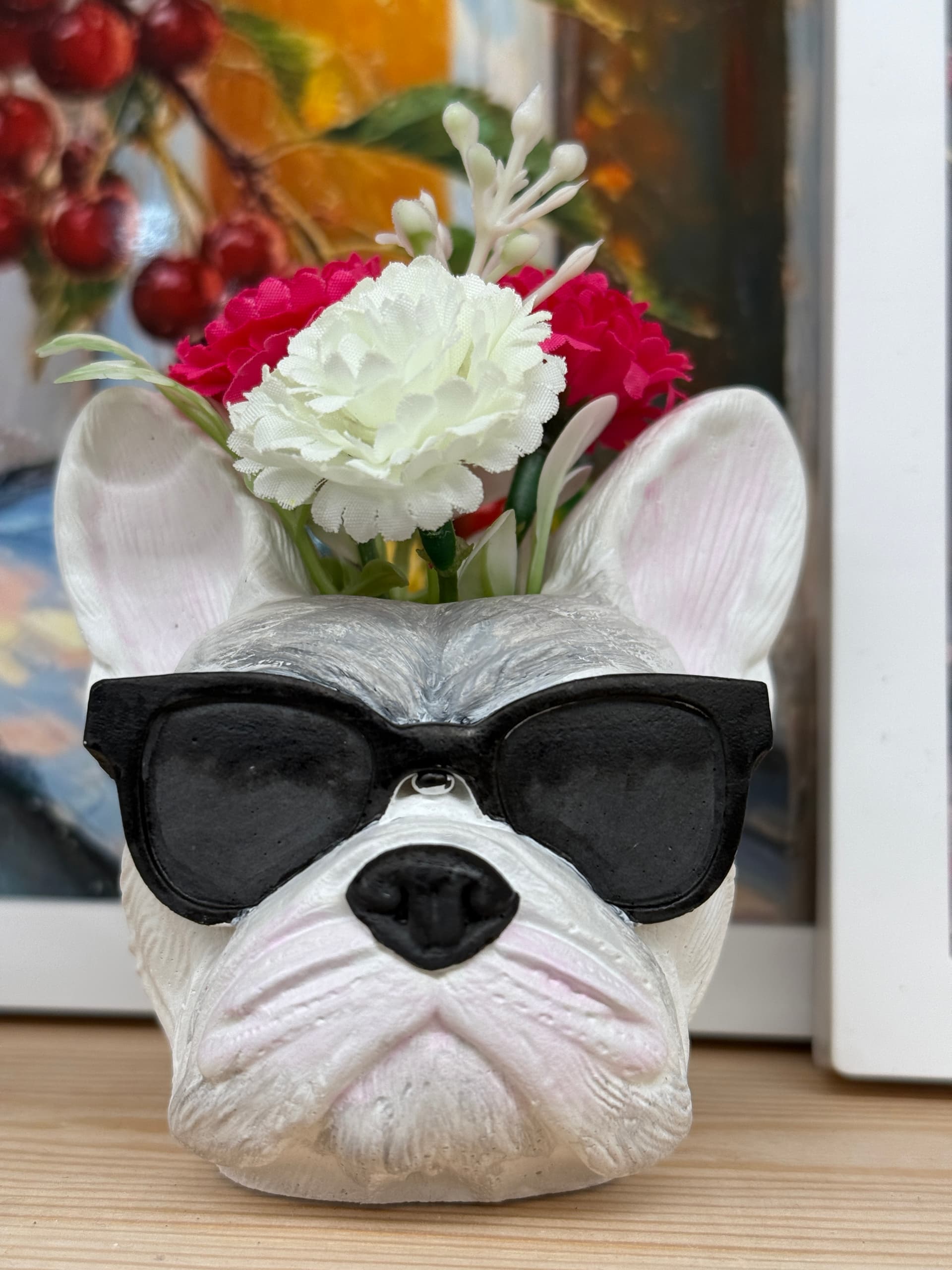
- Gypsum provides a velvety, matte surface. It is often chosen for Scandi, Japandi, or loft-style interiors. It perfectly mimics natural stone or concrete.
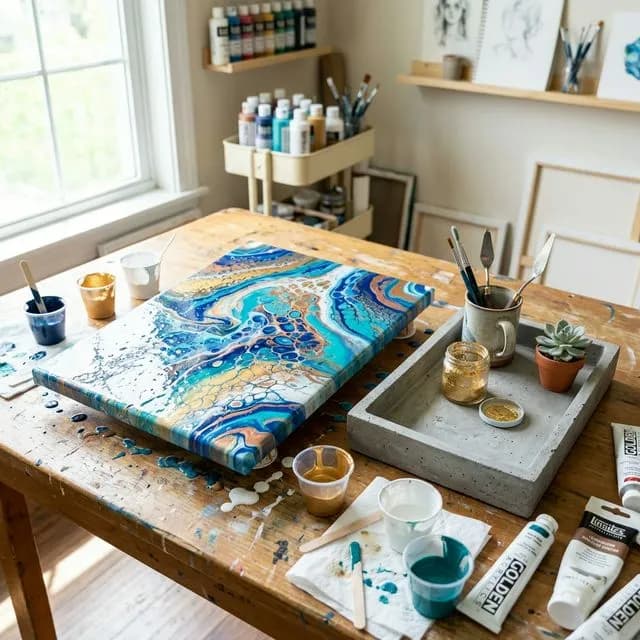
- Resin is about depth and gloss. It allows you to create imitations of water, space, or ice frozen inside objects.
5. Complexity of Work and Time
A practical aspect rarely discussed:
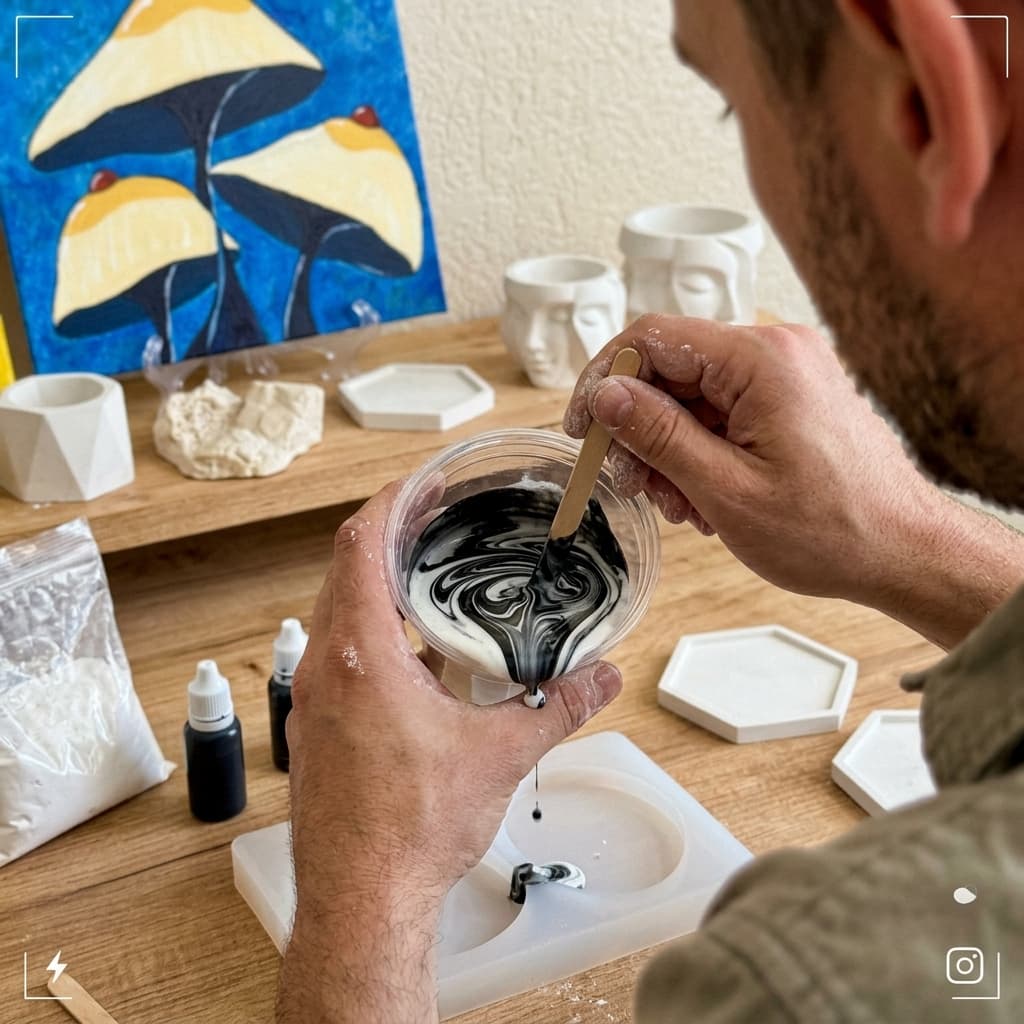
- Gypsum: Mixes in a couple of minutes, is poured into molds, and hardens in 30–40 minutes. The entire process is transparent and intuitive. Mistakes are easily fixed—tools are washed with regular water.
- Resin: Requires an exact ratio of components (usually 1:1 or 2:1 by weight). Polymerization time—from 24 to 48 hours. Any dust speck that falls on the surface during this time will remain forever. Tools are disposable.
6. Cost: How much does the hobby cost?
For those mindful of the budget:
- Gypsum: A bag of sculptural gypsum (25 kg)—inexpensive. Pigments—budget-friendly. Silicone molds—affordable. The entry barrier is minimal.
- Resin: An epoxy kit (1 kg)—more expensive than gypsum. Dyes and glitters—available. Silicone molds—inexpensive. Plus consumables: cups, sticks, protective gear.
Comparison Table
- Time to result: Gypsum 30–40 min / Resin 24–48 hours
- Safety: Gypsum—no respirators or hoods / Resin—needs protection
- Item weight: Gypsum is heavier / Resin is lighter
- Impact resistance: Gypsum is fragile / Resin is strong
- Eco-friendliness: Gypsum is 100% natural / Resin—synthetic
- Style: Gypsum—matte, Scandi / Resin—glossy, futuristic
- Entry cost: Gypsum is more affordable / Resin is more expensive
Verdict: Where should a beginner start?
If you are looking for a way to quickly see results (in just 30–40 minutes) and want to create eco-friendly decor without complex preparation, your choice is gypsum. If you are ready for a long process (hardening up to 24–48 hours) and complex chemical processes—choose resin.
In our studio, we suggest starting with a gypsum master class. This allows you to "feel" the material and take home a ready-made set of decor created according to all the rules of professional casting in one session.
By the way, creating gypsum decor is a great idea for a bachelorette party in Minsk. Each participant takes home a handmade gift—which is better than any souvenirs. A couple's master class is suitable for a romantic evening—create trays or planters for your shared home.
MAKA Art is an art studio in central Minsk — 61 Novovilenskaya St., unit 337. Directions are on the contacts page; pick a date on the booking page.
Frequently Asked Questions
Can I combine gypsum and epoxy resin?
Technically yes—some masters pour resin into depressions in gypsum items, creating a "pond" effect. But this is an advanced technique. Start with one material, master it, and then experiment.
Which material is safer for children?
Definitely gypsum. It is non-toxic and needs no respirators or extractor hood — an apron and gloves are enough. That is why our kids' master classes work exclusively with gypsum.
Where to buy materials in Minsk?
Gypsum is sold in hardware stores (regular) and specialized craft stores (sculptural). It's better to order epoxy resin from trusted online stores. Or simply come to our master class—all materials are included.
Which material to choose for a handmade gift?
Gypsum—you will create an item in one session and can give it away immediately. Resin will require at least two days. If you need a gift "right now"—a gift certificate from MAKA Art.
Try it yourself
Book a date and time that suit you — a gypsum master class — and create your first set of decor. All materials, tools, and packaging are included. Take home the finished item the same day! Or give creativity to loved ones—gift certificate.
Pick a format and a date — book online or message us.